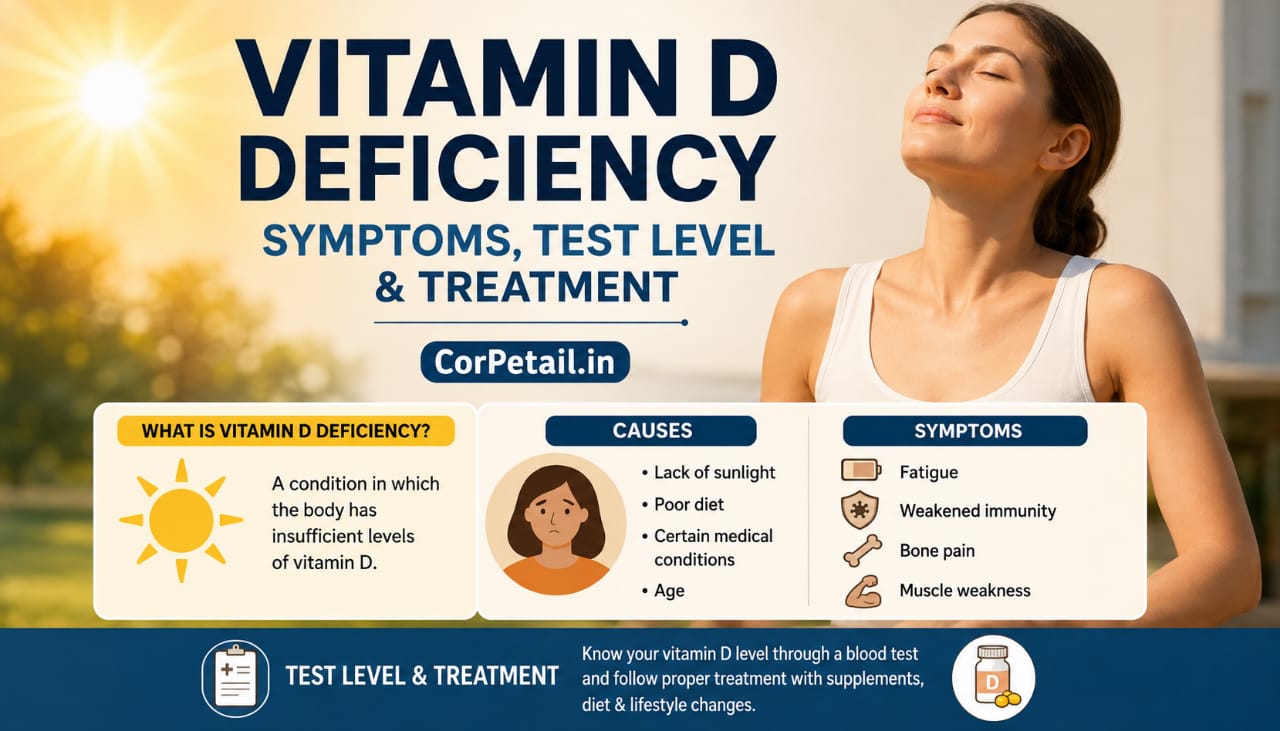
Vitamin D is a vital nutrient that Enables our body to function continuously and effectively. It plays a crucial role in facilitating the body’s absorption of calcium. A deficiency in Vitamin D can lead to issues such as muscle pain and bone weakness or stiffness. Conversely, maintaining adequate levels of Vitamin D prevents these problems; it plays a significant role in strengthening bones and aids in muscle recovery.
In this article, we will explore why Vitamin D is essential for our body.
What Is Vitamin D Deficiency?
Vitamin D deficiency occurs when we are overworked and feel weak or tired. We need vitamin D. We can get vitamin D through a diet rich in sunlight or through supplements. When our body has adequate Vitamin D, energy levels remain high and we avoid fatigue; however, a deficiency can weaken bones and deplete essential bone minerals. Therefore, alongside calcium, our bodies require Vitamin D to stay healthy. A poor diet and a lack of sun exposure are genuine reasons that can lead to a Vitamin D deficiency.
What Are the Symptoms of Vitamin D Deficiency?
Possible signs include:
- Tiredness or low energy
- Muscle weakness
- Muscle aches or cramps
- Bone discomfort or pain
- Frequent falls or difficulty climbing stairs in some adults
- Changes in bone health
- Poor bone development in children with severe deficiency
If we observe certain symptoms in our body that indicate a vitamin deficiency, we should get a blood test done to confirm it.
Who May Need a Vitamin D Test?
People who may be at increased risk include:
- People who get very little sunlight
- Older adults
- People with darker skin
- People with conditions affecting the liver or kidneys
- People who have a history of bone problems
- People taking certain medicines that can affect vitamin D metabolism
After examining you and assessing your condition, the doctor can tell you whether or not you should get the test done.
Why Is the 25(OH)D Test Important?
To determine whether vitamin levels in the body are adequate, 25-hydroxyvitamin D is measured; this test reveals whether or not there is a vitamin D deficiency.
To determine whether our body has active vitamin D, there is another test called the 1,25-dihydroxyvitamin D test; this test reveals whether the vitamin is active or not. Doctors usually recommend undergoing this test.
Vitamin D Levels and What They Mean
A commonly used interpretation is:
- Below 12 ng/mL: Generally considered deficient
- 12–20 ng/mL: May be considered inadequate for some people
- Above 50 ng/mL: May be higher than needed, depending on the circumstances
You shouldn’t view this lightly; you should actually visit the lab to understand it better. Doing so can provide information about your age and overall health, and you can also get tests done and obtain medicines there.
Converting Vitamin D Units
A useful conversion is:
1 ng/mL = 2.5 nmol/L
For example, 20 ng/mL is approximately 50 nmol/L.
If you are unsure about the unit used on your report, ask your healthcare professional before interpreting the result.
What Happens During a Vitamin D Blood Test?
The process generally includes:
- A healthcare worker cleans the skin.
- A small amount of blood is collected.
- The sample is sent to a laboratory.
- The results are reviewed by your healthcare professional.
After getting tested, people can return to their previous activities.
Whether or not you need to fast before a test depends on the specific test; you should not do so without consulting your healthcare provider.
What If Your Vitamin D Level Is Low?
Possible approaches may include:
1. Vitamin D-Rich Foods
We can obtain Vitamin D from sources such as meat, fish, eggs, green vegetables, milk, yogurt, and cheese. plays an important role in our muscles and bones.
2. Safe Sun Exposure
We can get Vitamin D by coming into contact with the morning sun; when we are exposed to the early morning sunlight and its rays fall on our bodies, our bodies produce Vitamin D.
3. Vitamin D Supplements
When there is a vitamin deficiency, doctors advise us to take supplements; however, one should always use supplements only after consulting a doctor.
Can Vitamin D Deficiency Be Prevented?
Helpful habits include:
- Eating a balanced diet
- Including vitamin D-containing or fortified foods
- Maintaining regular physical activity
- Getting appropriate sunlight exposure while protecting your skin
- Following medical advice if you have a condition that affects nutrient absorption
- Taking supplements only when appropriate
When someone takes significant risks, they may require healthcare.
When Should You See a Doctor?
If you experience fatigue, muscle pain, or stiff bones, contact your healthcare provider.
If you have an illness that could lead to vitamin D deficiency, talk to your doctor or healthcare provider.
When you experience these symptoms, it cannot be determined whether or not you have a Vitamin D deficiency; that can only be confirmed through testing.
Consultation
Today, we learned about Vitamin D and the impact of its deficiency on the body. We also discussed ways to boost Vitamin D levels—such as consuming a healthy diet rich in this nutrient, getting sunlight exposure, and using supplements. However, supplements should not be taken without a doctor’s advice. Vitamin D deficiency can lead to muscle pain, fatigue, and even cracking or popping sounds in the bones; therefore, Vitamin D is essential for our bodies.