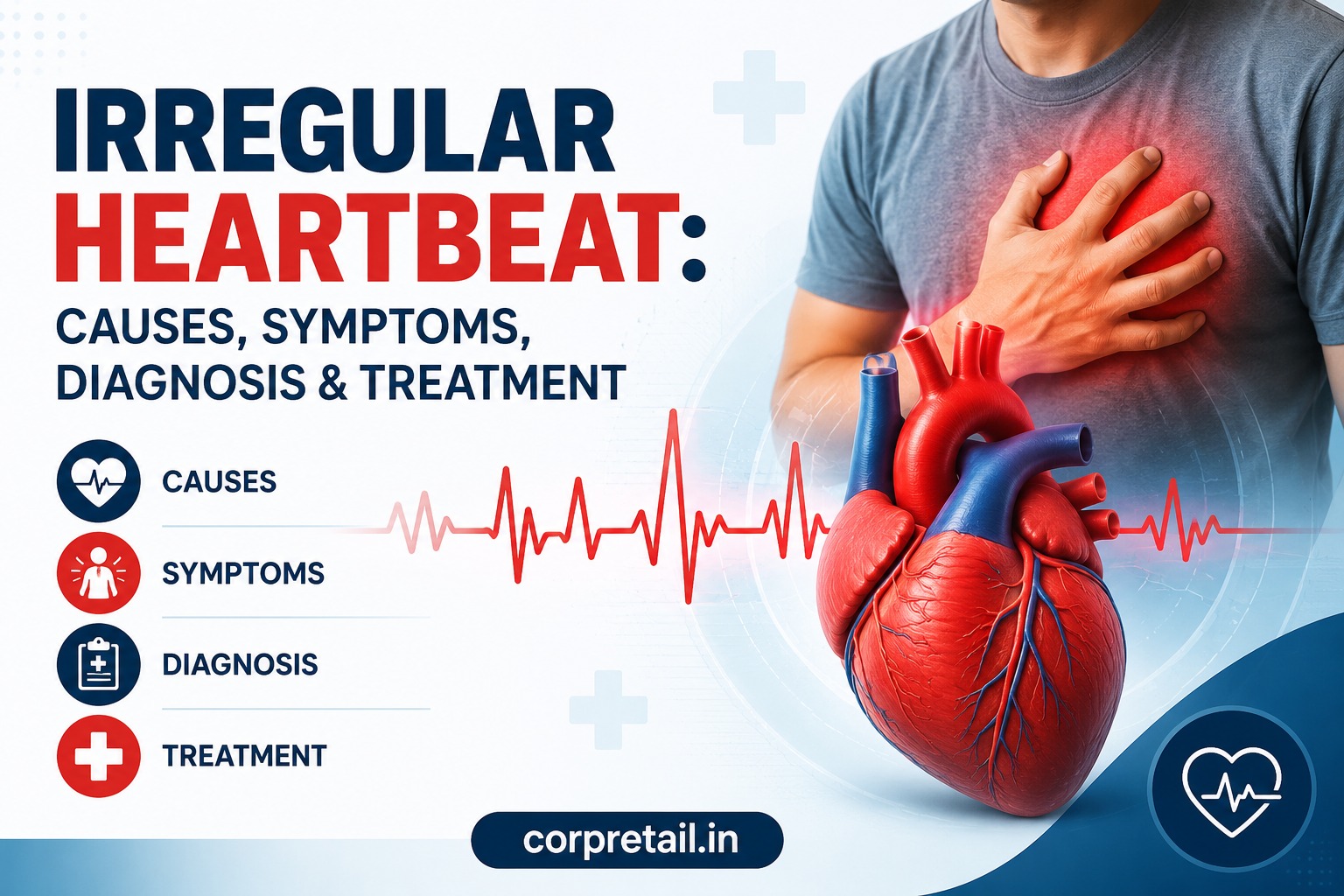
Nowadays, people often neglect their health, leaving them vulnerable to unexpected and serious medical conditions. One such condition is arrhythmia, which involves an irregular heartbeat—such as the heart beating too fast, skipping a beat, or adding extra beats. This condition can affect anyone, not just those with pre-existing health issues; even seemingly healthy individuals can develop it. Such irregularities may stem from internal cardiac issues or be linked to other underlying medical conditions. You should consult a doctor to understand the symptoms, diagnosis, and treatment options.
In this article, we will explore this heart condition and discuss how to prevent it.
What Is an Irregular Heartbeat?
Common types of abnormal heart rhythms include:
- Atrial fibrillation : A fast and irregular rhythm that starts in the upper chambers of the heart.
- Atrial flutter: A rapid but often more organized rhythm in the upper chambers.
- Premature beats: Extra or early heartbeats that may feel like the heart skipped a beat.
The severity of the condition becomes apparent when zone pumping slows down.
Symptoms of an Irregular Heartbeat
Common symptoms include:
- Feeling that the heart is racing
- A fluttering feeling in the chest
- Feeling like the heart is pounding
- Skipped or extra heartbeats
- Dizziness or lightheadedness
- Shortness of breath
- Weakness or unusual tiredness
- Chest discomfort
- Reduced ability to exercise
- Fainting or near-fainting
Episodes of palpitations can last for some time, a few minutes, or even a few seconds; however, if they persist for a prolonged period, you should consult a doctor.
Causes of Irregular Heartbeat
When you experience a sensation in your heart, it could be due to various reasons—ranging from lifestyle factors to underlying medical issues.
Heart Conditions
Conditions related to the heart can be harmful to the body; you should consult a doctor about this and make changes to your lifestyle.
High Blood Pressure
Prolonged high blood pressure can damage the heart. Avoid excessive stress or tension, and seek medical advice if any health issues arise.
Stress and Anxiety
Try to keep your mind relaxed so that you do not experience stress; stress is often emotional and tends to increase when you worry about things.
Risk Factors
These include:
- Increasing age
- High blood pressure
- Heart disease
- Diabetes
- Obesity
- Thyroid disorders
- Sleep apnea
- Smoking
- Excessive alcohol consumption
- High stress
- Family history of certain heart rhythm disorders
Whenever you see a risk, do not assume that you will have arrhythmia, it happens during some activities.
Treatment for Irregular Heartbeat
The treatment is administered based on the severity and type of the disease.
Lifestyle Changes
A healthcare professional may recommend:
- Limiting excessive caffeine
- Avoiding smoking and nicotine
- Limiting alcohol
- Managing stress
- Getting adequate sleep
- Maintaining a healthy weight
- Exercising appropriately
- Managing blood pressure and other health conditions
When you get medicine from a doctor, do not increase the dosage on your own.
Medicines
Do not attempt to treat the arrhythmia yourself; consult a doctor for the prescription of medications.
Cardioversion
Cardioversion is used to treat heart rhythm disorders; doctors employ this procedure to correct heart rhythm issues.
Catheter Ablation
Catheter ablation is a procedure used on the part of the heart that acts like an electronic device, sending signals to the heart.
When Should You Seek Medical Help?
Seek emergency medical attention if an irregular heartbeat occurs with:
- Severe chest pain or pressure
- Serious difficulty breathing
- Fainting
- Severe dizziness
- Confusion
- Sudden weakness
- Other symptoms suggesting a medical emergency
Can Irregular Heartbeat Be Prevented?
While arrhythmia itself cannot always be prevented, certain risk factors can be avoided by taking appropriate precautions.
To know about all this, you should get a medical checkup done, this will help in knowing about the disease.
Conclusion
In this article, we have discussed irregular heartbeats and how to manage them to prevent related health issues. Eating a healthy diet and exercising regularly act as protective measures for your body against this condition. You should consult a doctor if you notice any heart-related problems.